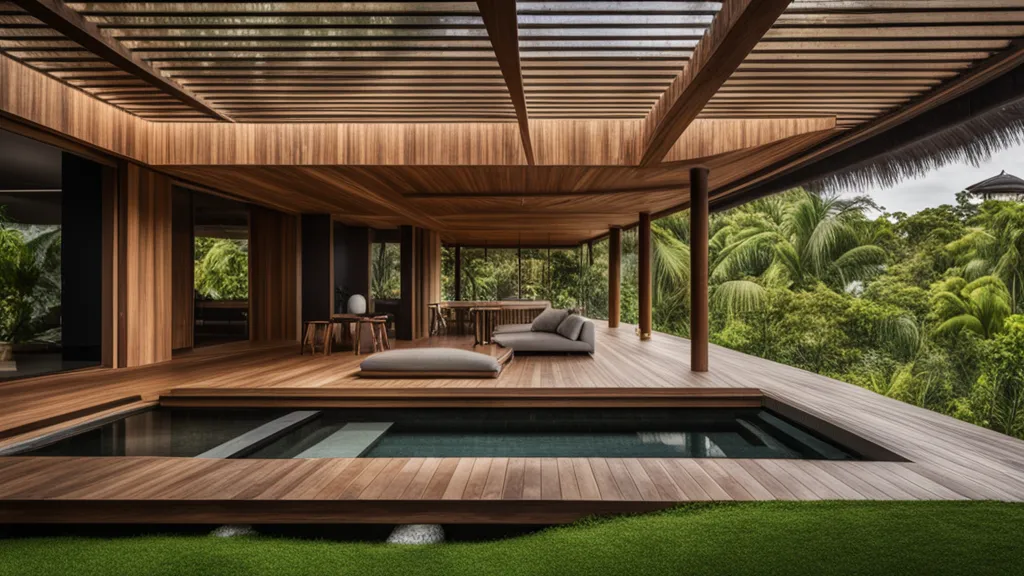
Understanding the features that constitute sustainable and eco-friendly properties is an increasingly important factor for prospective buyers looking at island property. For broader context on purchasing options across the island, review the main Bali Villa For Sale directory.
Sustainable Features in Bali Real Estate
Eco-friendly residential design in tropical climates focuses on reducing power consumption, protecting local water tables, and minimizing environmental impact during both construction and ongoing operation. When evaluating a sustainable property, buyers frequently examine how well the structures adapt to natural climate conditions rather than relying solely on mechanical cooling.
Solar Power Integration and Energy Efficiency
Solar energy systems play a central role in sustainable residential infrastructure across the region. High ambient sunlight levels allow residential photovoltaic arrays to capture substantial energy throughout the year, offset daily power draw, and support secondary systems such as pool pumps and water heaters.
- Grid-tied solar systems reduce reliance on local power grids during peak daytime hours by generating electricity directly from rooftop solar arrays.
- Battery storage units store excess daily generation, providing backup power during grid fluctuations without requiring fossil-fuel generators.
- Passive solar design positions roof overhangs and window placements to maximize natural shade and minimize interior heat gain during mid-day peak sun hours.
Water Harvesting and Filtration Systems
Freshwater management remains a primary environmental concern in tropical regions. Properties engineered with eco-friendly utility infrastructure often incorporate closed-loop water systems that collect rainwater, recycle greywater, and conserve municipal or well-water draw.
- Rainwater collection networks route runoff from roof surfaces into below-ground filtration cisterns for irrigation and secondary household usage.
- Greywater recycling systems treat shower and basin discharge through natural bio-filters to supply water for landscaping and gardens.
- Low-flow plumbing fixtures throughout the house help maintain efficient indoor water conservation without sacrificing everyday utility.
Eco-Friendly Building Materials and Local Sourcing
The selection of structural and finish materials heavily influences the overall carbon footprint of a real estate development. Sustainable construction practices prioritize locally sourced, renewable, and reclaimed components that withstand high humidity and tropical weather conditions.
Reclaimed Timber and Bamboo Architectural Frameworks
Utilizing reclaimed teak, ironwood, and engineered bamboo provides structural integrity while limiting logging demands on native forests. Reclaimed wood from decommissioned structures or old maritime vessels brings unique texture while resisting tropical moisture and pests.
- Reclaimed teak offers natural oil resistance against moisture, termites, and fungal decay in open-air living areas.
- Structural bamboo provides a fast-growing, highly renewable alternative to traditional timber frames for roof trusses and feature walls.
- Locally quarried natural stone reduces transport emissions while supplying durable surfacing for exterior decking and pool surrounds.
Permeable Landscaping and Soil Protection
Preserving natural ground absorption helps prevent surface erosion and protects local groundwater reserves. Modern eco-friendly layout designs balance paved areas with permeable surfaces that allow rainwater to absorb naturally into the soil.
- Pervious paving materials and gravel pathways allow rainwater to permeate directly into the underlying water table.
- Native plant selection minimizes irrigation demands because local plant varieties adapt naturally to seasonal rainfall cycles.
- Bioswales and rain gardens slow surface water runoff and filter debris before stormwater enters local drainage basins.
Operational Waste Management and Environmental Impact
Long-term sustainability extends beyond initial building materials into how a home manages daily waste, sewage, and airflow. Prospective buyers investigating an eco-conscious Bali Villa option often analyze specialized septic systems and passive ventilation configurations.
Bio-Septic Systems and Greywater Treatment
Standard septic tanks can sometimes leak nutrients into surrounding groundwater if poorly constructed. Advanced bio-septic processing systems use multi-chamber anaerobic bacteria digestion to treat wastewater safely before ground discharge.
- Multi-chamber digestive tanks process biological waste naturally without harsh chemical additives or odor accumulation.
- Sub-surface irrigation leach fields deliver treated wastewater directly to deep plant roots without surface exposure.
- Composting units convert organic kitchen waste and garden foliage into nutrient-rich soil conditioning material on-site.