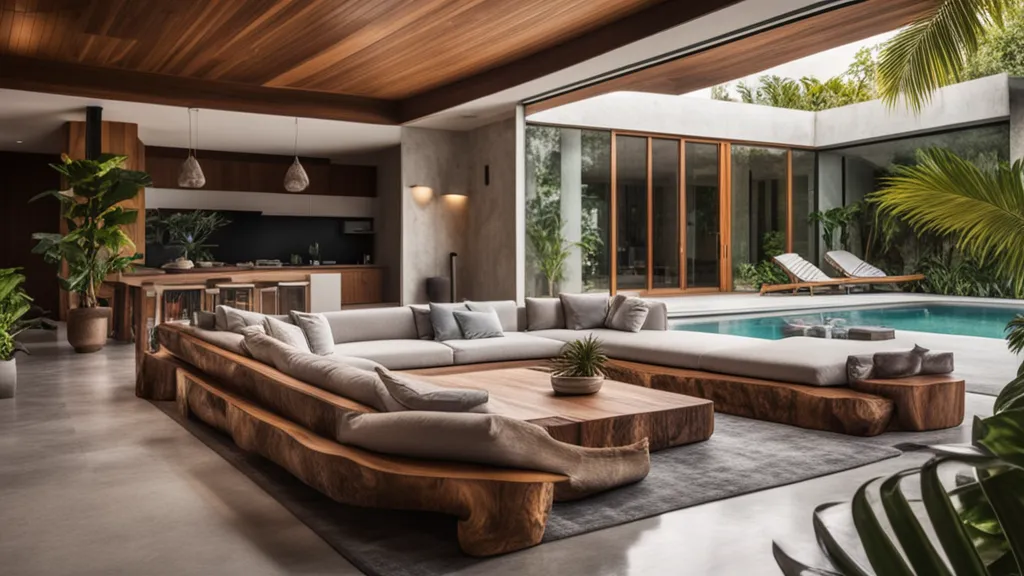
Modern architectural trends in island properties reflect a shift toward biophilic design, open-plan living, and energy-efficient climate control. While individual preferences vary based on location and usage, standard design choices prioritize seamless blending of interior spaces with surrounding tropical landscapes. For context on available listings and broad property considerations, visit the main overview at Bali Villa For Sale.
Biophilic Design and Indoor-Outdoor Integration
One prominent layout feature in contemporary design involves expansive open-air living areas combined with sunken seating pits and floor-to-ceiling glass paneling. In cases where property footprints are compact, sliding partitions allow living spaces to expand toward outdoor decking and swimming facilities. What often causes operational issues in these open concepts is inadequate drainage or insufficient overhang protection against torrential rainfall.
Architects frequently incorporate local timber, polished concrete, and natural volcanic stone to create textural contrast while maintaining structural durability. When selecting materials, tropical humidity levels require modern finishes that resist moisture buildup without sacrificing aesthetic appeal. Integrating water elements, interior gardens, and natural ventilation routes helps reduce internal ambient temperatures during warm periods.
Sustainable Building Practices and Material Choices
Modern structural practices increasingly reflect eco-conscious design options. Bamboo framing, reclaimed teak elements, and locally sourced river stone are commonly chosen to minimize environmental footprint. In developments where solar exposure is high, rooftop solar panels and rainwater harvesting systems are routinely integrated into primary construction plans.
Proper airflow management is critical in warm, humid climates. Cross-ventilation pathways reduce reliance on continuous artificial cooling systems. High ceilings paired with open louvers encourage hot air to escape upwards, creating a natural thermal chimney effect that cools interior spaces efficiently.
Smart Home Technology and Functional Layouts
Integrating modern home automation systems allows property owners to manage lighting, irrigation, and security remotely. Key features often include intelligent climate control sensors, automated window shading, and touchless entry systems. In cases where properties are leased to short-term guests, remote lock access and energy management settings assist in lowering utility overheads.
Functional layout considerations prioritize privacy and versatile space utilization. Dual master suites, dedicated work offices, and enclosed media rooms are popular additions in response to remote work lifestyles. Ensuring sound insulation between private suites and communal living spaces remains an essential planning detail in multi-bedroom layouts.
Maintenance Factors and Tropical Climate Adaptation
Tropical climate conditions require deliberate design choices to ensure long-term durability. Exposure to moisture, UV radiation, and high humidity can accelerate wear on exterior surfaces. Standard preventative measures include extended roof eaves to shield walls from rain, specialized waterproof coatings on concrete structures, and anti-fungal treatments on exposed timber.
Consult a licensed architectural or engineering professional for your specific building or renovation scenario to ensure structural compliance and material suitability.
Frequently Asked Questions
What materials work best in tropical villa construction?
How do open layouts handle severe rain?
Why is cross ventilation important in villa design?
People Also Ask
What are popular architectural styles for a Bali Villa?
Modern tropical design and minimal biophilic architecture are primary design choices. These styles blend natural stone, reclaimed wood, and large glass walls to integrate indoor and outdoor environments seamlessly.
Architects focus on merging contemporary structural lines with traditional natural elements, allowing properties to retain organic warmth while offering modern comforts.
How does climate influence Bali Property design?
High humidity, intense sunlight, and heavy rainfall dictate structural material choices and layouts. Architects utilize wide roof eaves, natural cross-ventilation, and water-resistant materials to protect properties from weather exposure.
Design adjustments such as elevated foundations and specialized surface treatments help prevent long-term moisture damage and structural wear.
Can smart technology be installed in a Villa Sale?
Smart home technology can be integrated into existing and new property structures. Automated climate controls, security systems, and remote lock devices are widely compatible with modern electrical infrastructure.
These installations allow property managers and owners to control utility usage and security features remotely, enhancing overall operational efficiency.