TL;DR
Bali offers a wide array of villas, from luxurious beachfront estates to cozy family homes and properties designed for rental income. Understanding these diverse types—categorized by style, size, features, and intended use—is key for potential buyers. Considerations include location, architectural style (modern, traditional), number of bedrooms, and amenities like pools or gardens, all of which influence suitability for investment, personal use, or rental.
For a more comprehensive understanding of the broader Bali property market, including legal aspects and the buying process, please refer to our main guide on Bali Villa for Sale.
Understanding Bali Villa Categories
When considering a Bali villa purchase, the sheer variety available can be a significant factor. Villas are not monolithic; they range widely in design, scale, and potential utility. Categorizing these properties by their primary characteristics can help prospective buyers align their expectations with what the market offers.
Villas by Architectural Style and Design
The aesthetic appeal of a Bali villa often dictates its initial attraction. Buyers typically encounter a few dominant styles:
- Modern Minimalist Villas: These properties often feature clean lines, open-plan living spaces, and a focus on natural light. Materials tend to be contemporary, such as concrete, glass, and steel, often softened with natural wood elements. In cases where the property is in a popular area, a minimalist design can appeal to a broad range of international renters or owners seeking a sleek, uncluttered environment.
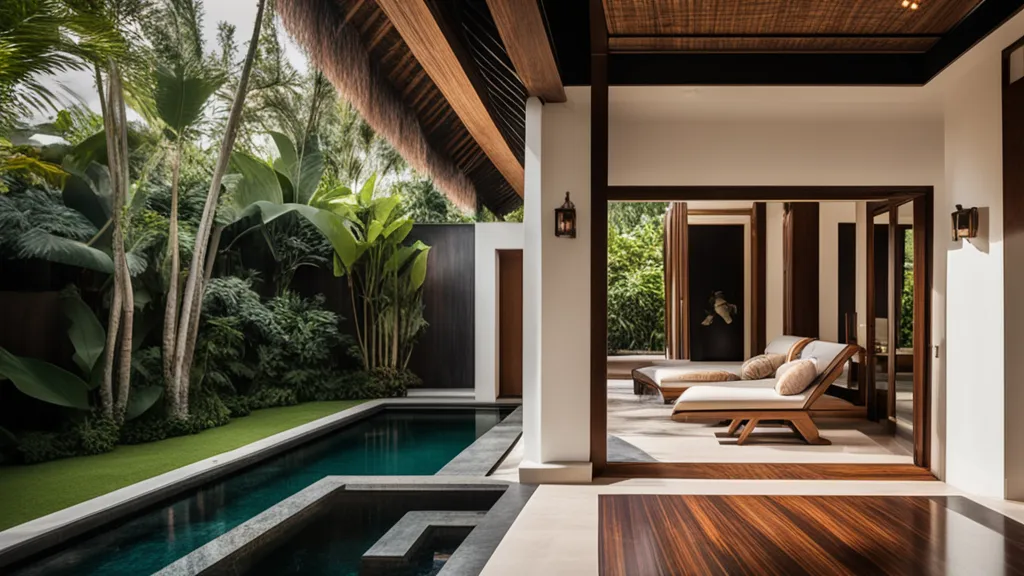
- Traditional Balinese Villas: Characterized by natural materials like wood, stone, and thatch roofing (alang-alang), these villas often incorporate intricate carvings and open-air pavilions. The design typically prioritizes harmony with nature, sometimes featuring lush tropical gardens and water features. What often causes issues is ensuring traditional materials are maintained properly against Bali’s climate, which requires specific care.
- Joglo and Limasan Inspired Villas: While originally Javanese, these traditional wooden structures are often incorporated into Balinese villa designs. They feature distinctive high, peaked roofs and often ornate carved pillars. These homes bring a sense of history and cultural authenticity. When X applies, such as a desire for unique cultural immersion, Y is common, leading buyers to seek out these specific architectural forms.
Villas by Size and Configuration
The physical footprint of a villa, including its land size and number of bedrooms, significantly impacts its utility and price point. Factors include:
- Compact City Villas: Often found in more urbanized areas like Seminyak or Canggu, these villas typically have one to three bedrooms and smaller garden plots. They are well-suited for individuals, couples, or small families seeking convenience and proximity to amenities.
- Family-Sized Villas: These properties generally offer three to five bedrooms, more extensive living areas, and larger gardens, often with a private pool. They are designed to accommodate larger families or groups, providing ample space for both privacy and communal activities.
- Luxury Estate Villas: Characterized by expansive land plots, five or more bedrooms, and high-end finishes, these villas often boast additional amenities such as home theaters, gyms, and multiple swimming pools. They are typically located in prime areas with panoramic views, catering to those seeking ultimate privacy and opulence.
Villas by Intended Use and Features
A buyer’s primary motivation for purchasing a Bali property often informs the type of villa they seek:
- Private Residence Villas: These are purchased primarily for personal use, whether as a permanent home or a vacation retreat. Features prioritize comfort, privacy, and personal taste over rental appeal. The design might reflect a very specific lifestyle or aesthetic preference of the owner.
- Rental Income Villas: Designed with the tourist market in mind, these villas often feature amenities popular with holidaymakers, such as private pools, modern kitchens, and proximity to beaches or popular attractions. The layout might prioritize multiple independent guest rooms or common areas suitable for groups. Strategic location and robust property management are common considerations here.
- Investment Villas: While often overlapping with rental income villas, investment properties might also include those with potential for capital appreciation due to future development plans in the area or opportunities for subdivision. The focus shifts to long-term market trends and growth potential rather than immediate rental yield alone.
- Lifestyle Villas: These properties cater to specific lifestyle needs, such as villas with dedicated yoga studios, expansive outdoor entertainment areas, or direct beach access. The purchase decision is heavily influenced by how the property supports a particular way of living.
Understanding these distinct types of Bali villas allows for a more focused search, ensuring that a property’s characteristics align with individual needs, whether for personal enjoyment, family living, or generating rental returns. Each category presents unique advantages and potential considerations depending on the buyer’s objectives.