Discovering the Heartbeat of Bali: Culture, Traditions, and Daily Life
Bali, often called the “Island of the Gods,” offers more than just stunning landscapes and beautiful beaches. It presents a unique way of life, deeply rooted in spiritual traditions, community harmony, and a vibrant artistic spirit. For those considering a villa in Bali, understanding this intricate tapestry of culture is key to truly embracing the island’s charm, whether for a holiday retreat, an income-producing property, or a peaceful retirement.
The daily rhythm of Bali is unlike many places in the world. It’s a gentle flow, punctuated by ceremonies, community gatherings, and the ever-present sounds of nature and prayer. Life here often feels more connected, more present, and profoundly spiritual. Let’s explore the core elements that define daily life and tradition in Bali.
The Enduring Influence of Balinese Hinduism (Agama Tirta)
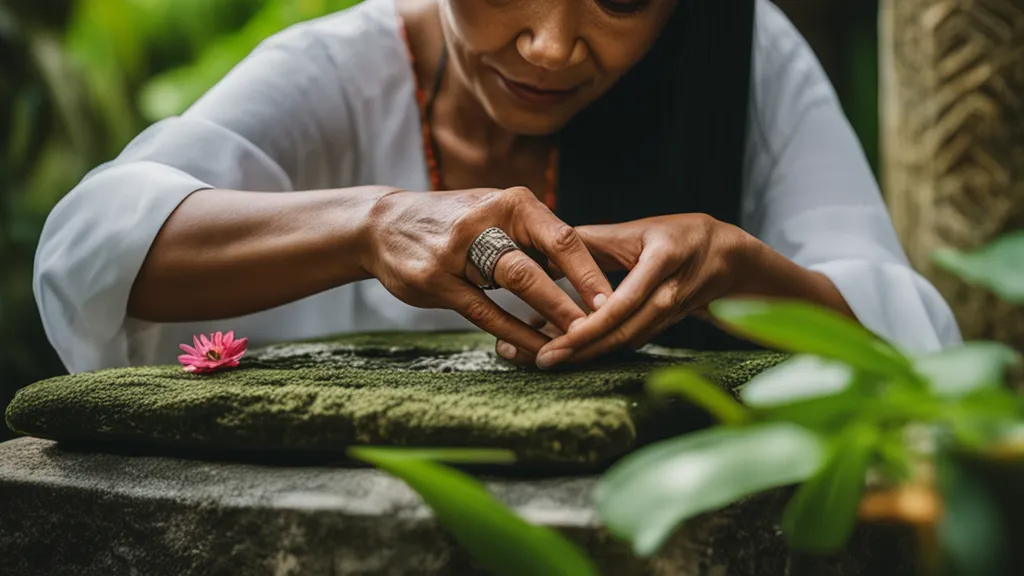
At the very core of Balinese life is Agama Tirta, or “Religion of Holy Water,” a unique form of Hinduism. This spiritual path isn’t confined to temples; it permeates every aspect of existence. Villa owners will quickly notice daily offerings, known as canang sari, placed everywhere – on sidewalks, at doorways, and in shrines. These small, intricate baskets filled with flowers, rice, and incense are a beautiful daily ritual, an expression of gratitude and an appeasement of spirits. Understanding this practice helps in appreciating the island’s spiritual energy and showing respect in daily interactions.
Ceremonies are also a frequent and vital part of Balinese life. From elaborate temple festivals (odalan) to rites of passage like tooth filing (metatah) or cremations (ngaben), these events are vibrant, communal affairs. They are opportunities to witness the island’s rich artistic expressions in dance, music (gamelan), and intricate decorations. While participation in such events might vary for non-Balinese, observing them respectfully can offer profound insights into the local culture and create a deeper connection with the community around your villa.
Community and Kinship: The Banjar System
Balinese society is structured around the banjar, a local community organization that plays a crucial role in daily life. Each village is divided into several banjars, and membership is typically mandatory for Balinese families living within its boundaries. The banjar manages everything from local ceremonies and social welfare to security and dispute resolution. For a villa owner, understanding the banjar means recognizing the importance of community cohesion and mutual cooperation (gotong royong). While foreigners are not typically members, being aware of its function can help in understanding local dynamics and fostering good relationships with neighbors.
This strong sense of community extends to family life, where multi-generational households are common, and respect for elders is paramount. The Balinese are generally warm and welcoming, and a respectful demeanor can lead to genuine connections with locals, enriching the experience of living or holidaying in a Bali villa.
The Rhythms of Daily Life: Work, Art, and Relaxation
Daily life in Bali often begins early, especially for those involved in farming or market activities. The sounds of roosters crowing, offerings being prepared, and local chatter are part of the morning symphony. Agriculture, particularly rice cultivation, remains a significant livelihood, and the sight of farmers working in the iconic terraced rice paddies is a quintessential Balinese image. For villa owners, this connection to the land often means access to fresh, local produce, and a more sustainable way of living.
Artistry is not just a profession; it’s an intrinsic part of being Balinese. Whether it’s carving, painting, weaving, or dance, artistic expression is woven into daily routines and ceremonies. Many Balinese are skilled artisans, and their crafts are not just for tourists; they are integral to their spiritual and communal life. Exploring local markets and artisan villages can be a delightful way to engage with this aspect of the culture, perhaps even finding unique pieces to adorn your Bali villa.
Despite the industriousness, there’s a strong emphasis on balance and relaxation. The Balinese concept of Tri Hita Karana – harmony between people, with nature, and with God – guides this approach. This philosophy encourages a mindful pace, where moments of quiet reflection and enjoyment of nature are valued. This inherent tranquility is a significant draw for those seeking a peaceful retirement or a restorative holiday experience in their Bali villa.
Navigating Practicalities and Etiquette
Living in Bali as a non-local means respecting certain customs and etiquette. Simple gestures like dressing modestly when visiting temples, always using your right hand for transactions or greetings, and avoiding touching someone’s head are important. Learning a few basic phrases in Bahasa Indonesia, such as “terima kasih” (thank you) or “selamat pagi” (good morning), can also go a long way in building rapport.
Transportation generally involves motorbikes or cars, and traffic can be an experience in itself. While the pace of life might seem slower, things like bureaucracy can sometimes take time. Patience and a relaxed attitude are helpful virtues for navigating daily practicalities. For villa owners, having reliable local contacts or a property management team can make these aspects much smoother, allowing more time to enjoy the cultural richness.
Ultimately, embracing the Bali lifestyle is about more than just enjoying the climate or the scenery. It’s about immersing oneself in a culture that values community, spirituality, and artistic expression. It’s about finding a rhythm that allows for both activity and tranquility, and appreciating the unique blend of tradition and modernity that defines this enchanting island.
Frequently Asked Questions
Is it easy to integrate into Balinese society?
Integrating into Balinese society is often a gradual process that depends on individual effort and respect for local customs. While Balinese people are generally warm and welcoming, deep integration usually involves learning some Bahasa Indonesia, participating in local events when invited, and understanding the nuances of community life, particularly the banjar system. Many villa owners find a comfortable balance between their private life and engaging with the local community.
What are key aspects of Balinese spiritual life?
The key aspects of Balinese spiritual life revolve around Agama Tirta, a unique form of Hinduism. This includes daily offerings (canang sari) to express gratitude and maintain harmony, regular participation in temple ceremonies (odalan), and a deep reverence for nature and the divine. The philosophy of Tri Hita Karana emphasizes harmony between humans, God, and the environment, influencing daily decisions and interactions.
How do Balinese balance tradition and modernity?
Balinese society navigates a fascinating balance between ancient traditions and modern influences, often adapting new elements while preserving core cultural values. For example, while younger generations embrace technology and global trends, they often remain deeply involved in family ceremonies and community duties. This blend can be seen in architecture, where traditional design elements are integrated with modern conveniences, or in daily life where scooters might transport offerings to a temple.
What should I know about local etiquette?
Understanding local etiquette is important for respectful interaction in Bali. Key points include dressing modestly, especially when visiting temples or attending ceremonies, always using your right hand for giving or receiving items, and avoiding pointing with your feet. Showing respect for elders, refraining from public displays of anger, and generally maintaining a calm and polite demeanor are also highly valued.
People Also Ask
How does Balinese Hinduism affect daily life?
Balinese Hinduism, or Agama Tirta, profoundly shapes daily life by integrating spiritual practices into every aspect of existence. This includes the preparation of daily offerings, participation in numerous ceremonies and festivals, and the underlying philosophy of maintaining harmony with God, nature, and other people. These spiritual elements are not confined to specific times or places; they are a constant, visible part of the Balinese rhythm. For villa owners, this means observing a vibrant spiritual culture all around them, from the incense wafting through the air to the sounds of gamelan music from nearby temples.
What are common Balinese traditions?
Common Balinese traditions encompass a wide array of practices, from daily rituals to significant life cycle ceremonies. Daily offerings (canang sari) are ubiquitous, and temple festivals (odalan) occur frequently throughout the year. Rites of passage, such as tooth filing (metatah) and elaborate cremation ceremonies (ngaben), are also deeply ingrained traditions. These traditions are often communal, involving music, dance, and intricate artistry, reflecting the island’s rich cultural heritage.
Can foreigners participate in local ceremonies?
Foreigners are often welcome to observe or sometimes even participate in local Balinese ceremonies, provided they show respect and adhere to local customs. This typically involves dressing appropriately (sarong and sash), maintaining a polite demeanor, and following any instructions given by local hosts. It’s generally a good idea to seek an invitation or guidance from a local resident to ensure respectful participation. Many villa owners find that respectfully engaging with these events can deepen their appreciation for Balinese culture.
What is the Balinese concept of Tri Hita Karana?
The Balinese concept of Tri Hita Karana is a fundamental philosophy that guides their way of life, emphasizing three causes of well-being and happiness. These are harmony among people, harmony with nature or the environment, and harmony with God or spiritual forces. This principle influences everything from architectural design and agricultural practices to social interactions and daily rituals, aiming to create balance and peace in all aspects of existence.
How do Balinese maintain community harmony?
Balinese communities maintain harmony through a strong sense of collective responsibility and the functioning of the banjar system. The banjar is a local council that organizes communal activities, resolves disputes, and ensures mutual cooperation (gotong royong) among villagers. This system fosters close social ties, encourages collective effort for community welfare, and provides a framework for maintaining social order and support within the village.
What is the cost of living in Bali for a long stay?
The cost of living in Bali for a long stay can vary significantly depending on lifestyle choices, location, and property type. Factors include accommodation expenses (whether renting or owning a villa), food (local warungs versus international restaurants), transportation, and personal spending habits. Many people find that local goods and services can be quite affordable, while imported items or luxury amenities might align with international prices. It’s often recommended to research specific areas and budget according to individual needs.
Is English widely spoken in Bali?
English is widely spoken in tourist areas and by many people working in the hospitality and tourism sectors across Bali. In more remote villages or among older generations, the use of English may be less common, with Bahasa Indonesia and local Balinese dialects being more prevalent. For those considering living in a Bali villa, especially outside prime tourist hubs, learning some basic Bahasa Indonesia can greatly enhance daily interactions and community engagement.